Your Core Is More Than a Six-Pack: What it is and how proper training supports your life!
"Strengthen your core." You've probably heard it from a trainer, a doctor, or a fitness video. It's repeated so often that it's easy to nod along without asking the obvious questions: What exactly are your core muscles? Why do they matter? And how do you strengthen them the right way?
As a physical therapist in South Tampa, I hear these questions every week. Here's what your core really is, and why it matters for far more than the looks.
Where the Idea of "the Core" Came From
The term traces back to Total Body Training (1982), written by bodybuilder Bob Gajda and Dr. Richard Dominguez. The book focused on exercise programming for sports performance, rehabilitation, and everyday function. The authors described the core as every muscle outside the arms and legs: the foundation that stabilizes the spine and keeps the body organized as it moves.
Decades of biomechanical research have refined that definition. Today the core is understood as two groups of muscles working together, the prime movers and the stabilizers. Most people think it's just the six-pack and hips, but it's much more than that.
What Do Your Core Muscles Do?
Your core supports your spine and connects your upper and lower body. It affects posture, organ protection, balance, breathing, and how efficiently the rest of your muscles work. Whether you're lifting a toddler, walking Bayshore Boulevard, or swinging a golf club, your prime movers and stabilizers share and distribute the load
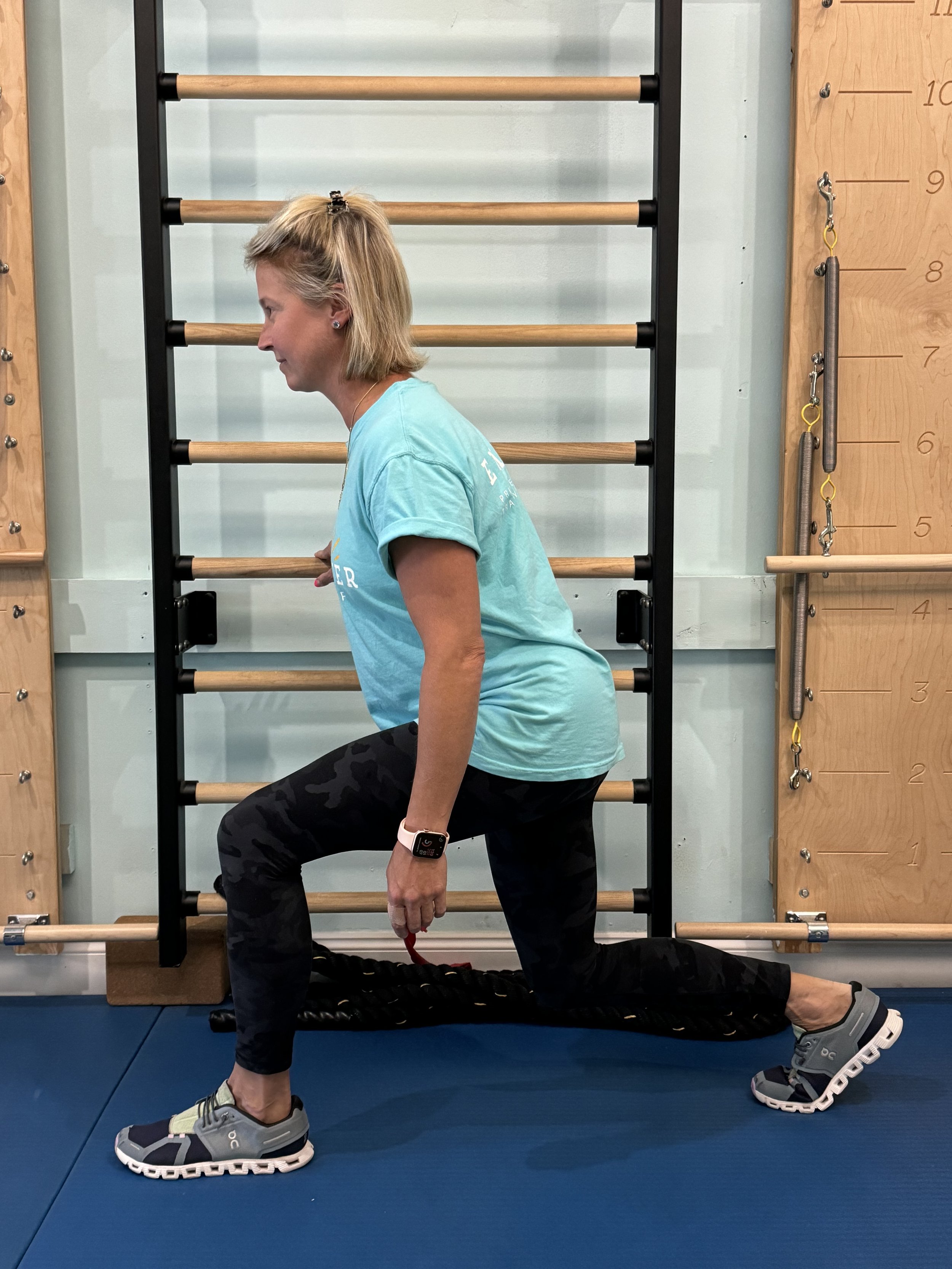
The Prime Movers
The abdominals: rectus abdominis and the internal and external obliques
Quadratus lumborum, a deep low-back muscle
Hip and glute muscles
These generate bigger movements like bending, twisting, and lifting.
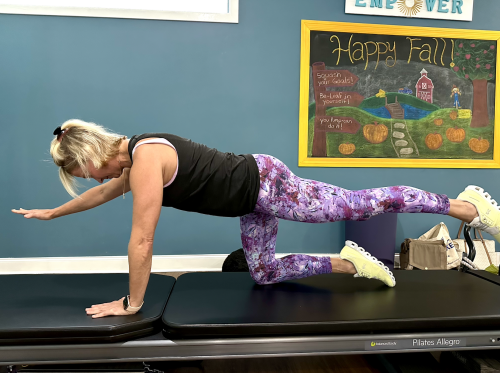
The Stabilizers
Transverse abdominis, your deepest abdominal layer
Pelvic floor muscles
Diaphragm
Multifidi, small muscles running along the spine that help with keeping you centered
These work quietly in the background, bracing the spine and pelvis before and during movement.
What Happens When Your Core Isn't Working Well
Weakness is only part of the story. More often the problem is coordination. When these muscles don't fire in the right order or with the right amount of effort, other structures pick up the slack, and over time that strains muscles, joints, and ligaments.
Common problems we see linked to poor core control include:
Low back or hip pain
Poor lifting mechanics
SI joint instability
Pelvic floor dysfunction
Pain and instability related to hypermobility
How to Strengthen Your Core the “Right Way”
Endless crunches and planks aren't the answer, and they can reinforce the very patterns causing pain! Effective core training usually follows a progression:
A thorough assessment. A physical therapist looks at how your core muscles coordinate, along with your posture, breathing, and movement, to find the real source of your symptoms.
Breath and deep activation. Learning to connect the diaphragm, pelvic floor, and transverse abdominis is often the first step, especially for pelvic floor concerns, low back pain, postpartum recovery, or hypermobility.
Progressive, functional loading. Once that foundation is in place, exercises build stability in positions that mirror your life: lifting, running, playing pickleball, or chasing kids.
Consistent, guided practice. Rehab-based Pilates is an ideal bridge here. Its focus on breath, control, and alignment pairs naturally with physical therapy goals.
That's where working with a physical therapist or a rehab-trained Pilates instructor makes the difference. Generic workouts can't tell you which muscles are underperforming or overcompensating. A trained eye can.
Core Strengthening and Pilates in South Tampa
Our cash-based model means you get one-on-one time with a Doctor of Physical Therapy, not rushed visits shared with other patients. Empower PT pairs physical therapy with rehab-based Pilates taught by instructors trained in our own curriculum, so your progress continues long after your last PT session. Every session focuses on retraining how your prime movers and stabilizers work together, starting with breath and deep core control and building toward strength in the movements you do every day. The result is a core that does more than look strong: it protects your spine, supports your pelvic floor, and helps you move with less pain.
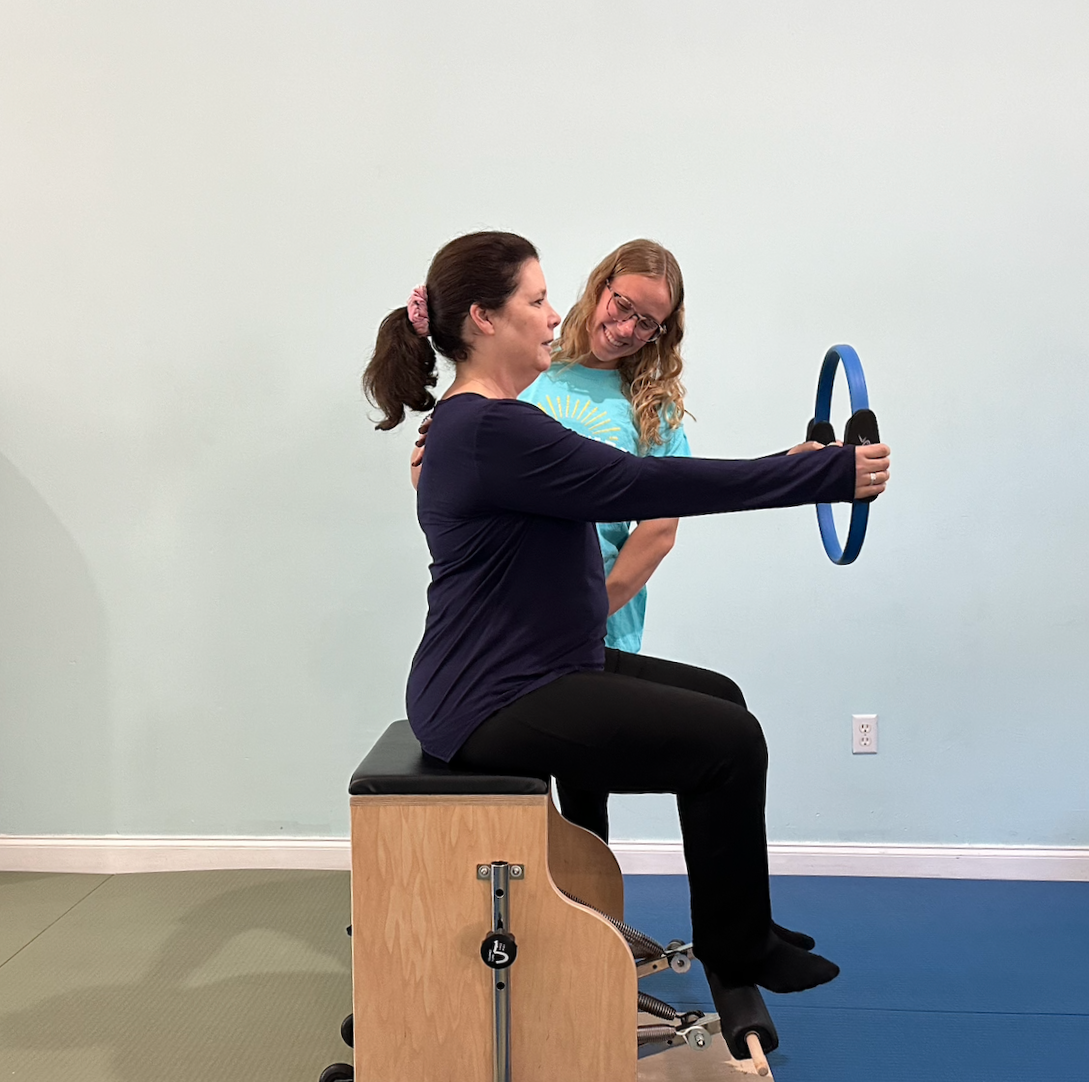
Whether you're recovering from an injury, managing back pain, or simply want to move better, we help clients across South Tampa and the greater Tampa Bay area build a core that supports them for life.
Ready to build a stronger, more resilient core?
Schedule an evaluation with Empower PT and take the first step today.