Pilates Therapy vs. Traditional Physical Therapy: What’s the Difference?
Last August, we introduced a new service at Empower: Pilates Therapy. Since then, one of the most common questions we’ve received is, “How is Pilates Therapy different from traditional physical therapy?”
The short answer? Both services are physical therapy and both are designed to help you recover, move better, and feel stronger. The difference lies primarily in the treatment approach and how your sessions are structured.
Let’s break it down.
Traditional Physical Therapy
Traditional physical therapy is often what most people picture when they think of rehab after an injury, surgery, or pain flare-up. These sessions typically have a heavier emphasis on manual therapy and symptom management early on.
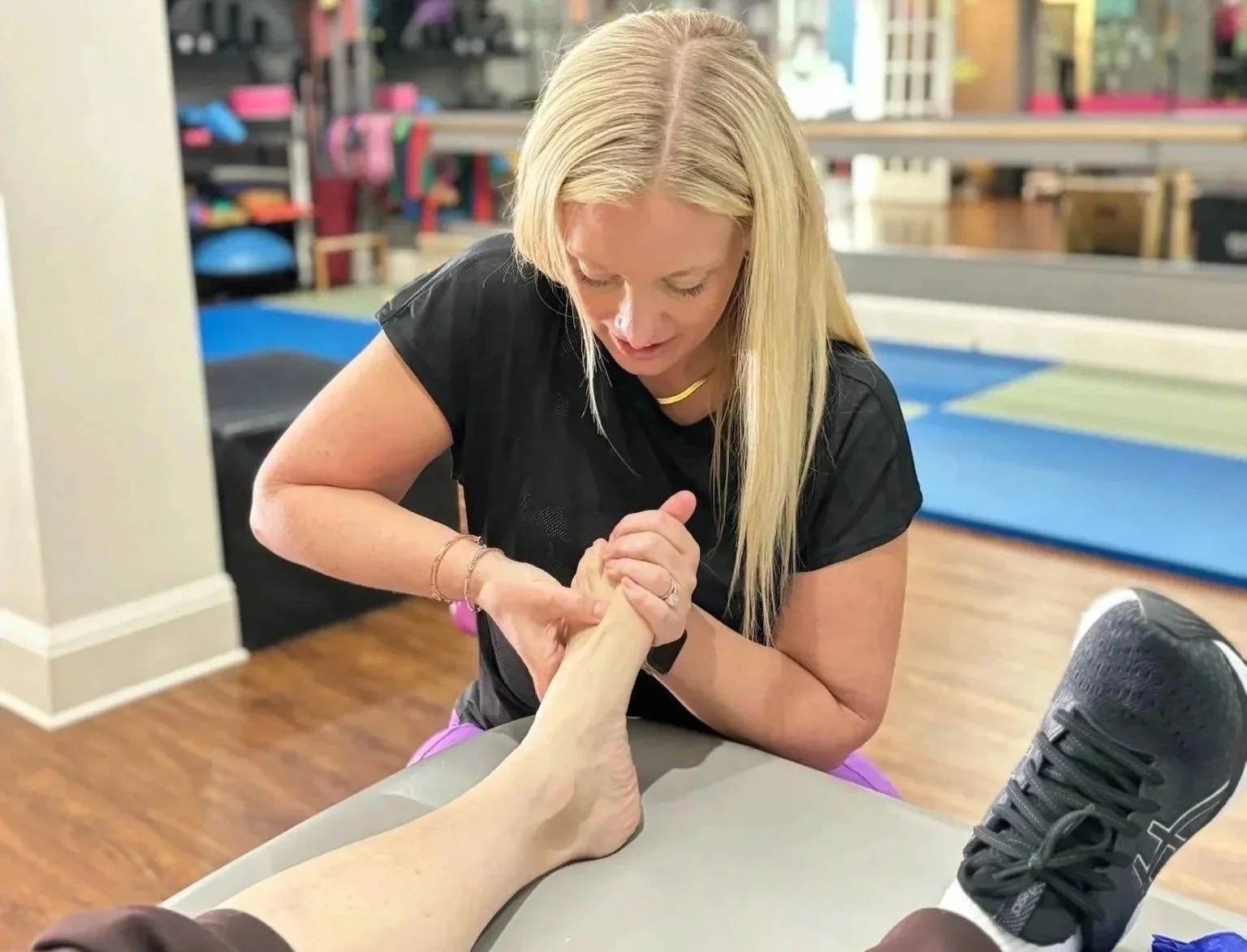
This may include:
Hands-on soft tissue work
Joint mobilizations
Pain reduction techniques
Corrective exercises
Mobility and stability work
Traditional PT is often the best fit for individuals dealing with acute pain, post-operative recovery, significant mobility restrictions, or injuries that require more direct hands-on care in the beginning stages of treatment.
At Empower, our physical therapists always incorporate movement and exercise into these sessions, but the initial focus is often on calming symptoms down and restoring foundational movement first.
What Is Pilates Therapy?
Pilates Therapy is still physical therapy, but it takes a more therapeutic exercise-based approach from day one.
Rather than spending the majority of the session on manual techniques, Pilates Therapy sessions focus heavily on guided movement, strength, control, breathwork, alignment, and body awareness using Pilates-based principles and equipment.
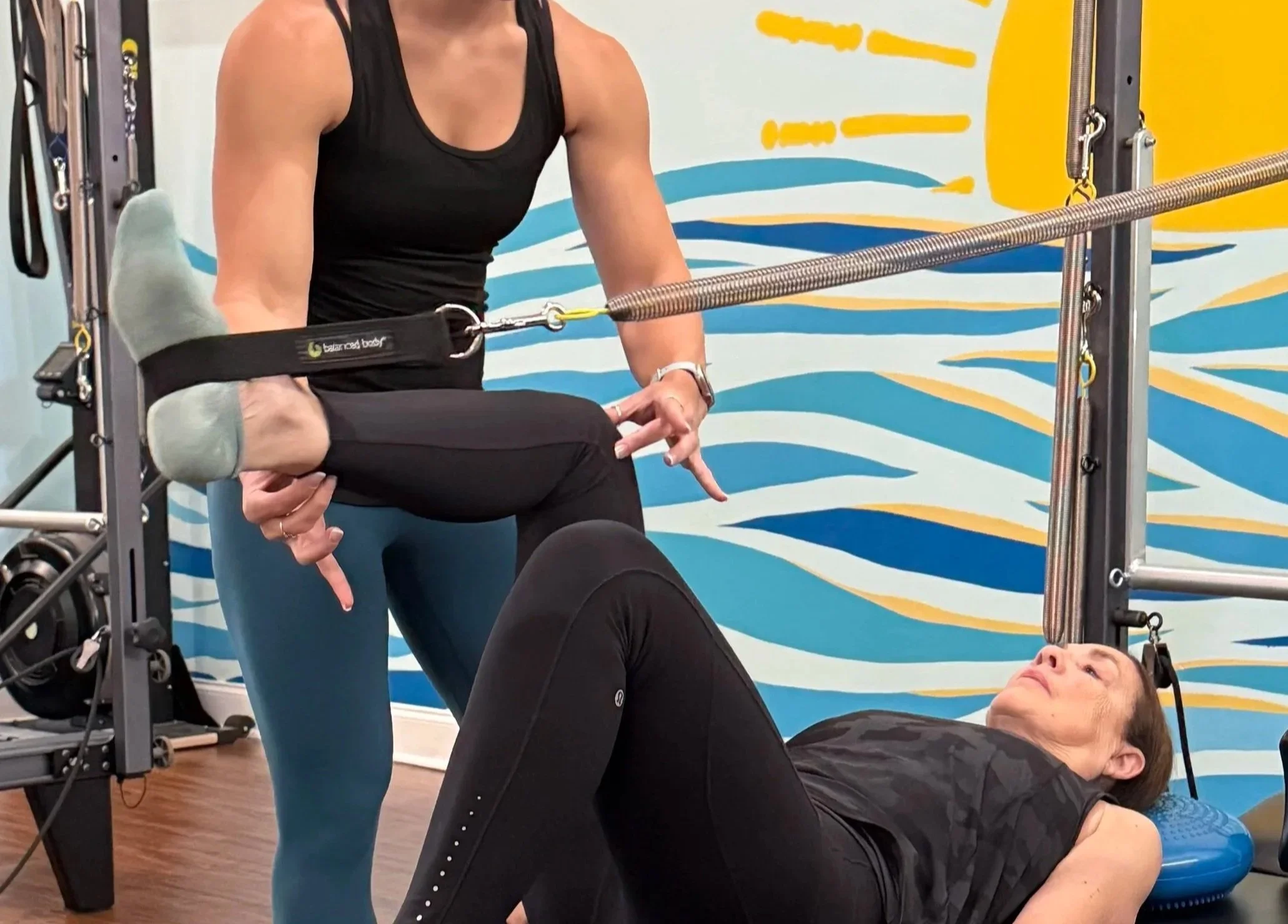
This approach can be especially helpful for individuals who:
Feel “stuck” despite previous rehab
Need to rebuild strength safely
Want a more whole-body approach to recovery
Struggle with chronic pain or recurring injuries
Want to transition from rehab back into exercise confidently
Prefer active treatment over passive treatment
Pilates Therapy allows us to bridge the gap between rehabilitation and fitness. Instead of simply reducing pain, the goal is to help you move more efficiently and build resilience for long-term health.
How Do You Qualify for One or the Other?
The good news is that you do not need to figure this out on your own!
Both services are performed by licensed physical therapists, and during your initial evaluation we determine which treatment style would best support your goals, symptoms, and current stage of recovery.
Some clients may start with more traditional PT and later transition into Pilates Therapy as they improve. Others may be appropriate for Pilates Therapy right away.
Ultimately, the choice depends on factors like:
Your injury or diagnosis
Your pain levels
Your movement limitations
Your comfort with exercise
Your personal goals
Recovery Should Be Individualized
At Empower, we believe rehabilitation should never be one-size-fits-all. Some people need more hands-on treatment. Others thrive with movement-based therapy from the beginning. And most people benefit from a combination of both at different points in their recovery journey.
Our goal is always the same: helping you move better, feel stronger, and get back to doing the things you love with confidence.
If you’ve been curious about whether Pilates Therapy or traditional physical therapy would be the right fit for you, our team is here to help guide you through the process!
Call or text (813) 508-2553 today to inquire about both services!